The Old-School Herbs People Are Quietly Using to Support Healthy Blood Sugar
Berberine. Gymnema. Banaba leaf. Names your great-grandmother might have recognized are showing up in one modern bottle. I spent a few weeks with LotusHerb's GlucoBalance to see whether the formula respects the tradition it borrows from.

Updated this month
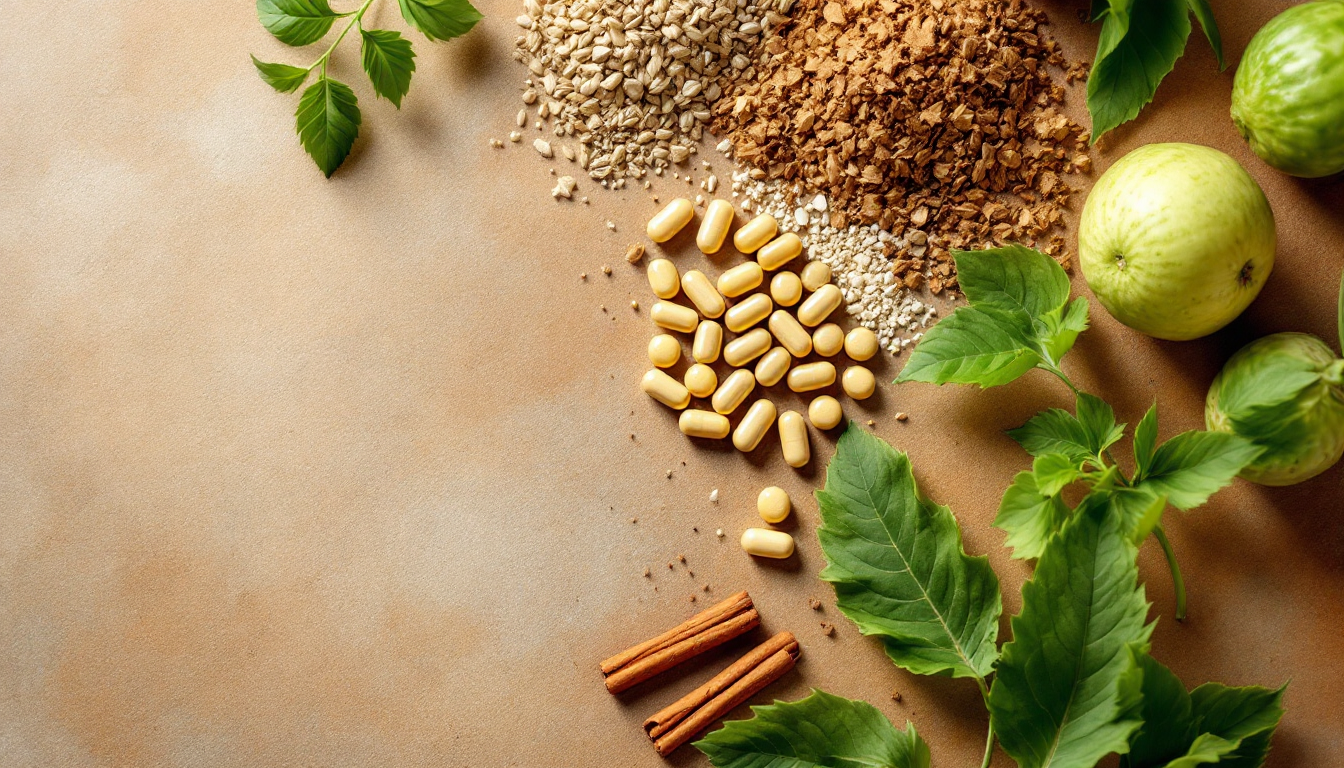
I'll be honest about where I started. After fifteen years writing about herbs, I've grown allergic to the word "breakthrough." So when a reader emailed asking whether GlucoBalance was "the real thing or just another flashy label," my instinct was to roll my eyes and reach for the eye-roll emoji. But the ingredient list stopped me. It wasn't a parade of trendy buzzwords. It was, more or less, a roll call of the plants traditional herbalists have leaned on for generations to support healthy blood sugar already within the normal range.
So I did what I usually do: I ordered a bottle, read the label until my coffee went cold, and dug into the traditional uses of each herb inside it. This isn't a lab report and I'm not a doctor. It's one writer's plain-language tour of what's in the bottle, what each ingredient has historically been used for, and an honest read on who might find it interesting — and who should probably skip it.
What's actually in the bottle
The thing I appreciated first is that GlucoBalance doesn't hide behind a single hero ingredient. It stacks eight botanicals and minerals that herbal tradition has paired together for the same general goal. Let me walk through them the way I'd explain them to a friend over tea.
Berberine
If the formula has a marquee name, it's berberine — a bright-yellow compound found in plants like barberry, goldenseal, and Oregon grape. Traditional Chinese and Ayurvedic practitioners reached for these bitter roots for centuries. In modern herbal circles, berberine has become the ingredient people ask about by name when the topic is supporting healthy blood sugar and metabolic balance. I won't pretend it's a magic bullet, but I understand why it anchors the blend.
Ceylon Cinnamon
Not the cassia cinnamon in your supermarket shaker — the "true," milder Ceylon variety. It's a distinction I've harped on in this publication before. Cinnamon has a warm folk reputation in kitchens from Sri Lanka to Morocco, traditionally sprinkled into food and tonics. Seeing the Ceylon form specified, rather than generic "cinnamon," was a small green flag that someone was paying attention.
Gymnema Sylvestre
This one delights me every time. In Hindi its name roughly translates to "sugar destroyer," and Ayurvedic practitioners have used the leaf for a very long time. There's a parlor trick herbalists love: chew a gymnema leaf and, for a few minutes, sweet foods taste like cardboard. Whatever you make of that, its traditional role in supporting healthy blood sugar earns it a logical spot here.
Chromium
Chromium is the lone trace mineral in the lineup rather than a herb, and it's a familiar face in this category. It's an essential nutrient the body uses in small amounts, and it shows up in formulas like this one as a supporting player for normal metabolic function. Nothing exotic — just a sensible inclusion.
Bitter Melon
Anyone who's eaten in a Southeast Asian or Caribbean home knows bitter melon (or has been politely warned about it). The gourd is famously, aggressively bitter, and that bitterness is exactly why folk traditions across Asia have prized it. As a tincture or capsule it spares you the taste while keeping the herb's long-standing traditional role.
Banaba Leaf
Banaba is the one readers most often haven't heard of. It's a flowering tree from the Philippines and Southeast Asia, where the leaves were traditionally brewed into a tea. It's quietly become a regular in blood-sugar-support blends, and I was glad to see GlucoBalance round out its formula with a botanical that has genuine regional heritage rather than just lab-coat appeal.
Alpha-Lipoic Acid
Alpha-lipoic acid, or ALA, is a naturally occurring compound the body makes in small amounts; it's also found in foods like spinach and broccoli. In supplement form it's a common companion to this kind of blend, often included as an antioxidant. It's the most "modern" entry on the list, and it doesn't pretend otherwise.
Fenugreek
We close with a true pantry herb. Fenugreek seed has been a kitchen and folk-remedy staple across South Asia, the Middle East, and the Mediterranean for thousands of years — slightly maple-scented, faintly bitter, deeply traditional. Its long history in cooking and home remedies makes it a fitting note to end the formula on.
So how did the few weeks go?
Here's where I keep myself honest. A supplement is one small input in a life full of variables — what you eat, how you sleep, whether you move your body. I took GlucoBalance as directed, kept my routine otherwise boring and consistent, and treated it as what it is: a daily herbal support, not a lever you pull for instant results. I'm not going to quote you numbers, because that's not what these herbs are for and it's not a claim anyone should be making about a supplement.
What I can say is that it slid into a morning routine without fuss, the capsules were a reasonable size, and the company is refreshingly clear that this is a structure/function supplement meant to support healthy blood sugar already within the normal range — not to do anything dramatic. That kind of plain honesty is rarer than it should be in this aisle.
Who it's for — and who should skip it
You might find it interesting if…
- You like the idea of traditional, food-adjacent herbs over synthetic gimmicks.
- You want a single blend rather than buying eight jars of loose herbs.
- Your blood sugar is already within a normal range and you simply want gentle daily support as part of a sensible lifestyle.
- You read labels and appreciate that this one names specific botanicals (Ceylon, not just "cinnamon").
You should probably skip it if…
- You're hoping a supplement will replace medication or a doctor's care — it won't, and shouldn't.
- You're pregnant, nursing, or managing a diagnosed condition without first talking to your physician.
- You take prescription medication and haven't cleared new herbs with your doctor or pharmacist.
- You want guaranteed, overnight, measurable change. Herbs simply don't work that way.
That last column matters most, so let me say it plainly: please don't stop or adjust any prescribed treatment because of an article or a supplement. Talk to your doctor first — especially if you're pregnant, nursing, living with diabetes or another diagnosed condition, or taking any medication. Herbs can interact with prescriptions, and a thirty-second conversation with a professional is worth more than any review, mine included.
If the traditional, no-hype approach resonates with you, the company lays out every ingredient and the fine print on its own page.
Visit the official GlucoBalance page → You'll leave Natural Remedy Report and go to lotusherb.com.